Skilled Roofer for High-Grade Roofing Services
Appointing a qualified roofing professional constitutes a strategic decision for property dwellers seeking superior roof services. These practitioners not only guarantee compliance with local construction guidelines but also provide access to superior materials. Their competence to identify and address potential issues early can save considerable resources and time. Understanding the various roofing options at hand and the rewards can further enhance this process. What factors should homeowners weigh when appointing the right professional for their needs?
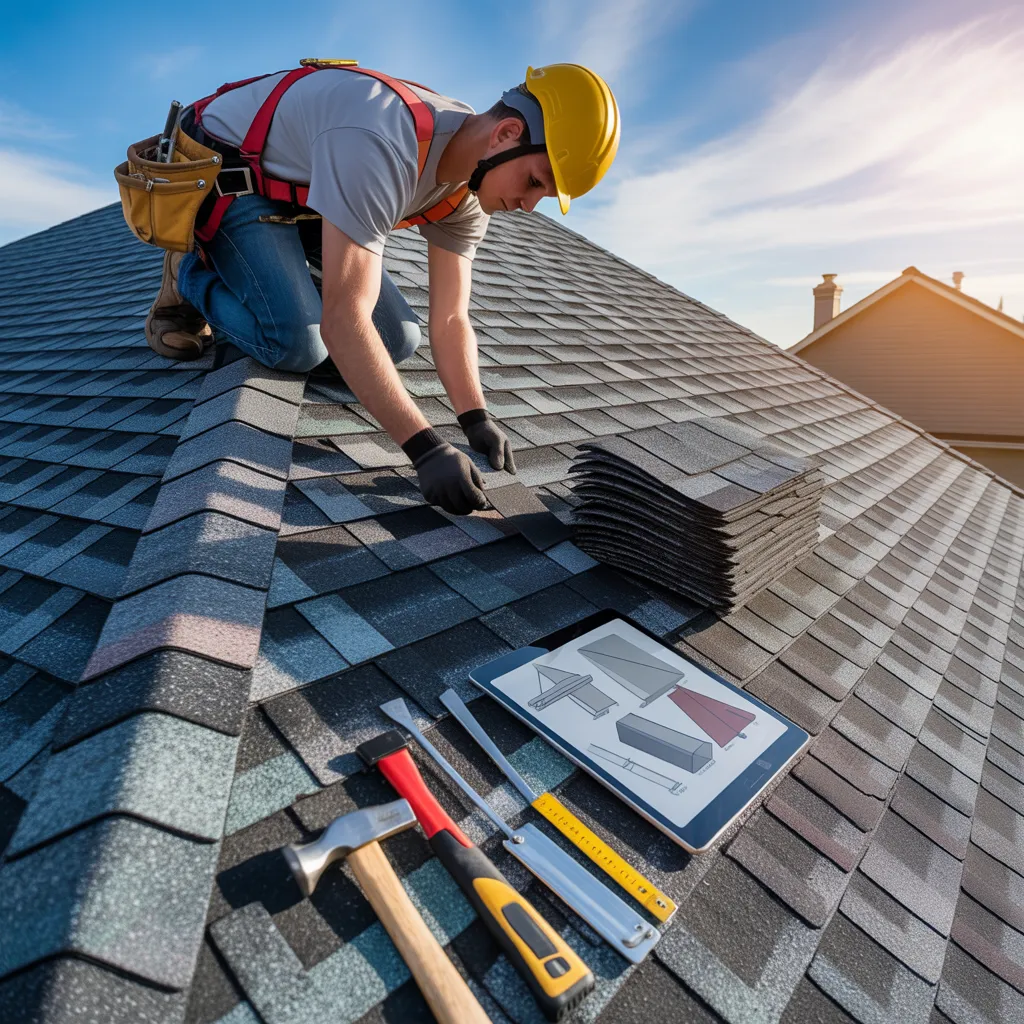
Why You Should Hire a Professional Roofer
When contemplating a roof installation, hiring a professional roofer assures both quality and security. Skilled roofing professionals maintain the necessary training and proficiency to handle diverse roofing challenges effectively. Their background allows them to recognize possible complications before they worsen, ensuring long-term durability. Additionally, they are proficient in municipal construction codes and policies, which decreases the risk of legal complications.
Additionally, expert roofers have access to premium materials that may not be obtainable by the average property owner, enhancing the general performance of the roof structure. They also provide guarantees that can deliver peace of mind, protecting the investment made in the roofing project. Importantly, safety is critical; professional roofers are furnished with the proper equipment and safety gear to perform their labor without causing injury. To conclude, hiring a qualified roof specialist is a prudent choice for achieving a reliable and secure roof remedy.
A Reference for Preferred Roofing Materials and Their Perks
A wide selection of roofing materials exist, each delivering distinct benefits appropriate for multiple needs and desires. Asphalt shingles rank among the most common because of their affordability, straightforward installation, and variety of colors. Metal roofing, recognized for its longevity and defense against extreme weather, furthermore bounces heat, making it economical. Slate tiles deliver a timeless visual appeal and remarkable longevity, while clay tiles supply excellent insulation and are able to endure harsh climates.
For people seeking sustainable options, rubber roofing is gaining momentum; it echoes the appearance of more costly goods and is fashioned with reclaimed products. Wooden shakes supply a genuine, rustic look but demand greater maintenance. Lastly, synthetic roofing materials combine the superior aspects of traditional materials, providing adaptability and durability. Each material contributes unique advantages, ensuring it's necessary for homeowners to assess their goals and reach out to experts when selecting the optimal roof option.
Common Roofing Issues and How Professionals Handle Them
Common roof issues, such as seepage and water damage, can result in significant structural problems if not addressed promptly. Additionally, worn or broken shingles weaken the roof's durability and leave the home to further risks. Professionals apply diverse approaches to identify and resolve these issues, providing enduring safeguard and peace of mind for homeowners.
Drips and Water Damage
Leaks and water damage bring critical difficulties for homeowners, regularly generating costly restoration work and structural risks. These difficulties commonly emerge from a diverse array of sources, including worn components, poor fitting, or even severe weather patterns. Water entry can jeopardize insulation, enable mold proliferation, and erode structural durability. Skilled roofers harness modern solutions to recognize and repair leaks proficiently. They complete exhaustive inspections to locate critical weak points, making use of tools such as moisture meters and infrared cameras. Once located, they introduce exact remedies, which may include sealing, flashing replacement, or, in severe cases, partial roof replacement. By tackling leaks swiftly, professionals aid homeowners avoid deterioration, delivering permanent protection and peace of mind.
Missing or Defective Shingles
Roofing issues often appear through missing or damaged shingles, which can compromise a home's defensive layer. These flaws expose the underlying structure to elements, possibly causing leaks and further deterioration. Professionals typically perform comprehensive evaluations to determine the severity of the problem. They may recommend replacing individual shingles or whole areas, depending on the severity. Using premium-grade materials, experienced roofers guarantee proper installation to avoid subsequent problems. Additionally, they assess the roof's overall condition to tackle any underlying problems, such as inadequate airflow or structural deficiencies. Routine upkeep and prompt fixes are essential in preserving a roof's structural soundness, ultimately protecting the home from water penetration and other natural dangers.
Evaluating the Finest Roof Choice for Your Home
When selecting the ideal roofing choice for a home, it is essential to evaluate your specific roofing needs initially. Understanding the selection of material options obtainable and their individual prices can affect the selection process significantly. Financial planning also play a vital role in ensuring that the chosen solution meets both aesthetic and functional requirements.
Analyzing Your Roofing Priorities
How does one select the most suitable roofing option for their home? Evaluating roofing needs begins with examining the home's design and local climate. Homeowners should take into account elements like energy efficiency, durability, and maintenance requirements. A comprehensive inspection of the existing roof can reveal potential issues that professional guide may affect the selection of materials. Additionally, monetary restrictions play a crucial role; evaluating the long-term outlays versus initial investment is essential. Consulting with a professional roofer can provide important information and tips tailored to specific needs. Ultimately, the decision should combine design tastes with functional requirements, making sure the selected roofing option raises the home’s value while providing extended safeguard.
Material Varieties Guide
Determining the right roofing materials is a crucial phase in the overall roofing process. Homeowners must evaluate multiple choices, each with distinct advantages and drawbacks. Asphalt shingles are favored for their cost-effectiveness and simple installation, while metal roofing provides durability and energy efficiency. Clay and concrete tiles deliver a stylish, long-lasting solution, particularly suited for warm climates. Wood shakes offer a natural aesthetic but demand more maintenance. Synthetic materials, such as rubber or plastic, replicate traditional styles while providing improved longevity. Additionally, environmental considerations may prompt some homeowners to investigate sustainable options like green roofs or recycled materials. Ultimately, selecting the best roofing material depends on the home's design, climate, and personal preferences.
Budget Considerations Explained
When budgeting for a roofing project, it typically requires careful review of multiple factors to assure that homeowners select the best fitting option for their needs. Firstly, the selection of materials has a major effect on both the initial costs and the durability over time. Asphalt shingles are often economical, whereas metal or tile choices might provide longer lifespan but come with a steeper cost. Moreover, labor charges can depend according to the roofing contractor’s skill and the complexity of the project. Homeowners should also include possible hidden costs like structural repairs or permits. Lastly, weighing long-term savings through energy efficiency and warranties assists in making an informed decision upfront investment against future advantages.
What You Should Understand About the Roofing Process
Understanding the nuances of the roof installation process can dramatically improve a homeowner's experience over the course of a roofing project. At the outset, homeowners should be prepared for a thorough evaluation of the present roof conditions to identify its structural integrity and the necessary repairs or replacements. Once the assessment, a full estimate will specify the range of services, materials, and project duration.
When the project starts, homeowners can anticipate an organized arrangement with safety precautions in place to preserve their property. The roofing crew will remove old materials, inspect the underlying structure, and fit new roofing systems according to industry standards. Staying informed is essential, as homeowners should expect progress reports on advancement and any unforeseen issues.
Finally, the project finishes with a thorough inspection to guarantee excellence and compliance to requirements. Property owners should also receive maintenance advice to prolong the lifespan of their new roof, emphasizing the significance of comprehending the entire roofing process.
The Significance of Regular Roof Inspections
Although many property owners may ignore roof care, regular check-ups are important for preserving the structural integrity and durability of a roof. These assessments help spot minor issues before they turn into expensive repairs. By discovering issues like leaks, loose shingles, or moss growth early, homeowners can save both time and money.
In addition, routine inspections guarantee that the roof meets local building codes and regulations, which can avert future complications during property transactions. Seasonal changes can impact roofing materials, making it critical to evaluate wear and tear.
Moreover, a properly upkeep roof improves the overall visual attractiveness of a home and adds to its market value. Participating in regular check-ups not only maintains the structural integrity of the property but also provides peace of mind for homeowners. Ultimately, prioritizing roof check-ups is a preventative strategy to home maintenance that yields benefits in the long run.
Discovering and Hiring a Experienced Roofer in Your Area
Upon acknowledging the value of regular roof check-ups, homeowners frequently look for qualified specialists for maintenance and repairs. Identifying a certified roofing professional in their area can prove challenging; however, a few key strategies can simplify the process.
Initially, homeowners should request recommendations from buddies, family members, or neighbors who have recently had roofing work done. Online reviews and ratings on websites like Google and Yelp can also furnish useful information into a roofer's credibility.
Once a compilation of prospective applicants is gathered, homeowners should check qualifications, such as licensing and coverage. Securing multiple quotes enables them to compare prices and services offered.
Moreover, inquiring about protection plans and promises can help assure long-lasting results. By following these steps, homeowners can securely hire a skilled roofing contractor who satisfies their specific needs, ensuring their roofs remain in peak condition for years to come.
Frequently Requested Questions
What Certifications Do I Need to Search for in a Skilled Roofer?
If you're seeking a qualified roofing specialist, you should concentrate on qualifications including proper licensing, comprehensive insurance, extensive experience, positive customer reviews, and adherence to industry standards. These factors assure reliable workmanship and defense from potential liabilities.
How much time Does a Typical Roofing Project Take to Finish?
A typical roofing project usually takes 1-3 days, relying on the size and complexity of the roof, weather conditions, and the crew's efficiency. Larger or more intricate roofs may need additional time.
Do Roofing Warranties Carry Over if I Offload My Home?
Roofing warranties are frequently transferable, but certain conditions must be met. Residents should check the warranty documents for specifics on transferability, as some makers need notification and may have expiration dates for the transfer timeline.
What may I Do if I Suspect Roof Damage After a Storm?
If roof damage is suspected after a storm, the occupant should inspect the roof for visible issues, document any injury, and consult a professional for an inspection to determine essential maintenance and hinder further difficulties.
How Can I Care for My Roof Between Professional Inspections?
Regularly inspect the roof for debris, check for deteriorated shingles, and clean gutters to avoid water buildup. Fix small issues promptly and keep an eye out for signs of leaks or wear between professional inspections.